
Effective time management is the cornerstone of productivity and success in both personal and professional realms. However, managing time efficiently can be challenging without the right tools and strategies. One such tool is the time management worksheet, a versatile document that helps individuals organize their schedules, prioritize tasks, and make the most of their time. In this guide, we’ll delve into the step-by-step process of filling out a time management worksheet, equipping you with the skills to optimize your daily routine and achieve your goals.
Table of Content
- Introduction
- Understanding the Purpose of the Worksheet
- Gathering Necessary Information
- Choosing a Time Management Worksheet Template
- Considerations for Template Selection
- Customization Options
- Allocating Time Slots
- Blocking Fixed Commitments
- Allocating Time for Tasks and Activities
- Considering Energy Levels
- Prioritizing Tasks
- Using Time Management Techniques
- Importance of Task Prioritization
- Breaking Down Tasks
- Strategies for Task Decomposition
- Benefits of Breaking Tasks Down
- Being Realistic
- Setting Realistic Expectations
- Allotting Buffer Time
- Reviewing and Adjusting
- Identifying Conflicts and Imbalances
- Making Necessary Adjustments
- Implementing and Tracking Progress
- Putting the Schedule into Action
- Monitoring Performance and Making Adjustments
- Conclusion

Step 1: Understanding the Purpose of the Worksheet
Before diving into filling out a time management worksheet, it’s essential to grasp its purpose. At its core, a time management worksheet serves as a visual representation of your schedule, allowing you to allocate time to various activities, prioritize tasks, and identify areas for improvement in time management. By providing a structured framework for organizing your time, the worksheet empowers you to make informed decisions about how to allocate your most valuable resource.

Step 2: Gathering Necessary Information
The first step in filling out a time management worksheet is gathering all the relevant information. This includes upcoming tasks, appointments, deadlines, and any recurring commitments. By compiling this information upfront, you’ll have a clear understanding of your schedule, enabling you to accurately allocate time in the worksheet. Take the time to review your calendar, to-do lists, and any other sources of scheduling information to ensure that nothing falls through the cracks.

Step 3:Choosing a Time Management Worksheet Template
With your information in hand, the next step is to choose a time management worksheet template that suits your needs. There are numerous templates available, ranging from simple spreadsheets to more detailed planners. Consider factors such as the layout, sections included (e.g., time slots, task lists, priorities), and customization options. Selecting the right template will ensure that your worksheet aligns with your preferences and enables you to effectively organize your time.

Step 4:Allocating Time Slots
Once you’ve chosen a template, begin filling out the time slots based on your daily schedule. Start by blocking off time for fixed commitments such as work hours, classes, or meetings. Then, allocate time blocks for specific tasks and activities, ensuring that you account for realistic time estimates. Be mindful of your energy levels and concentration throughout the day, scheduling tasks that require the most focus during your peak hours.
Step 5: Prioritizing Tasks
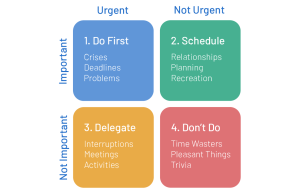
With your time slots allocated, it’s time to prioritize your tasks. Use techniques like Stephen Covey’s Time Management Matrix to categorize tasks based on their importance and urgency. Focus on completing tasks in the ‘urgent and important’ quadrant first, followed by those in the ‘important but not urgent’ quadrant. By prioritizing tasks effectively, you can ensure that you’re dedicating your time and energy to activities that align with your goals and objectives.

Step 6:Breaking Down Tasks
Breaking down larger tasks into smaller, manageable subtasks is a key strategy for effective time management. This approach allows you to allocate specific time slots to each component of a task, making it easier to track progress and stay on schedule. Additionally, breaking down tasks helps prevent overwhelm and procrastination, as you can focus on completing small, actionable steps rather than tackling a daunting project all at once. Take the time to identify the individual components of each task and allocate time accordingly.

Step 7: Being Realistic
When filling out your time management worksheet, it’s crucial to be realistic about the time needed to complete each task. Avoid overloading your schedule or underestimating the time required for certain activities. Leave buffer time between tasks to account for unexpected interruptions or delays. By setting realistic expectations for your schedule, you can avoid frustration and ensure that you’re able to accomplish your goals without feeling overwhelmed. Remember that flexibility is key, and be prepared to adjust your schedule as needed to accommodate unforeseen circumstances.

Step 8: Reviewing and Adjusting
Once you’ve filled out your time management worksheet, take a moment to step back and review your schedule. Look for any potential conflicts, areas of imbalance, or opportunities for optimization. Be willing to adjust your schedule as needed to ensure that it aligns with your priorities and goals. Regularly reviewing your time management worksheet allows you to identify areas for improvement and make adjustments accordingly. By staying proactive and responsive to changes in your schedule, you can maintain peak productivity and effectiveness.

Step 9:Implementing and Tracking Progress
Put your filled-out time management worksheet into action and start following your schedule diligently. Use the worksheet as a reference throughout the day to stay focused and on track. Track your progress and make note of any deviations from the planned schedule. By monitoring your performance against your schedule, you can identify patterns, trends, and areas for improvement. Regularly review your time management worksheet to ensure that you’re staying on course and making the most of your time.
Filling out a time management worksheet is a powerful strategy for improving productivity, prioritizing tasks, and maximizing your time effectively. By following the step-by-step guide outlined in this article, you can create a customized schedule that aligns with your goals and helps you make the most of every moment. Start mastering time management today and unlock your full potential for success in both your personal and professional endeavors.